Feeds:
Posts
Comments

Archive for the ‘Works for me’ Category

2011 is my de-cluttering year. While I face a new challenge each month, I’ll be working on body clutter all year-long. This month I shed about 200 lbs. It was all books and movies that were taking up space in my house. A few weeks ago I was slowly spinning in my office chair, taking in my surroundings and feeling stifled by my space when it hit me.

I have WAY too many books.

Books are my thing. They have always been my thing, so my epiphany came as quite a shock. Like any good book hoarder in denial, I mentally listed the reasons I keep shelves and shelves and shelves of books, most of which I have already read and will probably never read again. The shortness of the list was equally shocking.

1.      I love books. I blogged about it here.

2.      They were quite literally my friends through a tough childhood.

3.      Um…

Yes, that’s it. 2 reasons. Time for epiphany #2…

I don’t NEED books like I used to.

I realized that I was using books as a buffer, a protective layer of sorts. They were a security blanket, a built-in escape, and something to call my own. There are worse things to collect, right? Well, I tend to have one of those all or nothing personalities, so in my state of dazed awareness regarding my book hoarding, I made a decision. Everything goes. Thankfully, my family and I were on the same page. A little book humor for you. 😉

Being the proud owner of library cards in 4 different districts in the Denver Metro area probably makes me an overachiever, but I can find what I want. I can borrow from my book hoarding friends. I have several of those. I am still a member of paperbackswap.com for those out of print books that I can’t seem to find anywhere else. What more could I need? Oh yeah, a little monetary gain for my sacrifice.

I spent a day making an excel spreadsheet of all of the books and movies we own and then put the word out that I was holding a sale. (Hooray for Facebook) The money would benefit SEVENS and help us cover some of our monthly expenses, which it did. I promised the kids they could have the money for any of their items sold, and they had it mentally spent even before bringing me their arm loads of stuff. Apparently they take after me.

Over a 2 week period, I sold 400+ books and movies to people in 5 states. I delivered boxes and bags of books all over Denver and Boulder, and at the end of the sale, donated everything that was left (about 200 books) to our school and my favorite library for their bi-annual book sale. One of my friends bought all of my empty bookcases and hauled them away.

I have one small, 3-shelf bookcase left with the titles that would be hard for me to find again, some of my very favorites, and my writing reference books. That’s it. It was my biggest de-cluttering challenge to date, and I did it. I am victorious. I feel FREE!

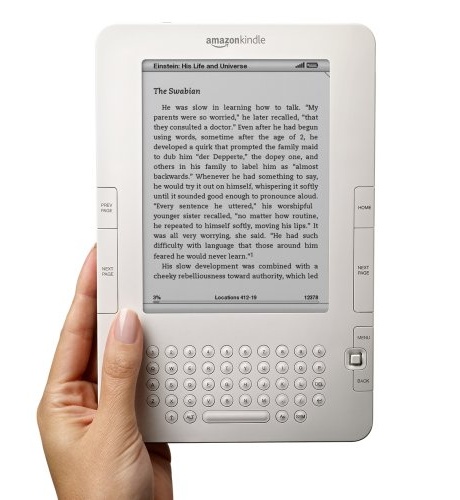
I’m once again sitting in my now spacious and mostly de-cluttered office/school room, wondering what should go next, and daydreaming about owning one of these…

Read Full Post »

After writing about my fears in my last post, I decided to turned my apprehension into appreciation and knowledge.  I feel better already! After a little research combined with my past experience (and a need to post on my writer’s group blog – The Inkwell), I penned the following post this evening. These tips can be tweaked to fit any type of conference.

In two short weeks, the 12th annual Colorado Christian Writer’s Conference is being held at the YMCA of the Rockies, in beautiful Estes Park. Although I am a conference veteran from my youth ministry days, this will be my first one devoted to the craft of writing. As the newest ACFW member that blogs here, I’m going to assume that other newbie writers might need some conference preparation tips too. Here’s what I’ve learned from my own experiences, lessons taught at the writer’s groups I’m in, friendly advice, and a few helpful websites:

BEFORE

PLAN AHEAD

1. Study the Conference Brochure. Identify What you most need to learn, then choose workshops that provide it. Learn something new.

2. Know who the faculty are. There will be professional writers, mentors, Agents, and Editors there. If you happen to sit next to one of them at a meal, or land a coveted appointment with one of them, it would be nice if you knew their name.

3. Find out what is required to make appointments with your chosen professional, and make your requests early. Prepare a list of questions to ask editors, agents, and/or writers -things you want answered before you return home.

4. Create a 30 second pitch for your book/article/screenplay idea and practice it. Try writing your idea in 20 words or less. Your time will be limited during your meeting, and you’ll be prepared to answer the most popular question of your conference stay, “What do you write?”

5. Prepare professional looking proposals, one sheets, and queries, and have copies available if an agent or editor requests them.

PACK

1. Comfortable clothing and shoes – the level of professional attire depends on the standards of the conference you’re attending. Dress in layers for varying room temperatures. Check the weather ahead of time and bring an umbrella, snow boots, or whatever else is needed for your trip.

2. A sturdy tote bag to hold the following:

  • Laptop and/or paper and pens – you decide what works for you.
  • Business Cards – make sure ALL of your information is current.
  • Bible & Journal
  • Thank you notes for follow up after your appointments
  • Water Bottle, mints, and snacks
  • Camera
  • Money for the conference book store. You know you’ll want to buy stuff! 🙂
  • An extra tote or room in your suitcase for the stuff you buy.
  • Labeled folders, manila envelopes, or even an expandable file. Possible labels might include:
  1. Contacts – To hold business cards/brochures of people you meet.
  2. Expenses – Receipts for tax deductions like meal expenses, transportation, CD’s or books to improve your craft, etc.
  3. Proposals, Queries, One Sheets – self explanatory, and it looks good when you’re organized.
  4. Workshop Notes/Handouts – Even for those you don’t attend so you’ll have them if you buy the CD or mp3.

A little organization before you leave will save you lots of time and hassle while you’re there AND after you return home!

DURING

1. Prepare for little sleep, your creative energy will be high, but pace yourself. Unplug if you need some quiet time to reflect and relax, or just need to escape for a nap.

2. Don’t be shy. Meet as many people as possible and ask questions. Everyone has something to share and there will be those who are new or attending alone and they’re feeling awkward too. Practice active listening and don’t monopolize the conversation, but speak up when it is your turn to do so. Remember that you have something to share too.

3. Talk to the professionals. They are there to help you grow as a writer. Ask your questions and write down any thoughts or ideas they share that you might forget.

4. Remember to collect and file business cards, handouts, receipts, etc. These will be very important to you after the conference ends.

AFTER

1. Give yourself a few days/week to regroup. You may find yourself in “conference overload” and need time to process all that you learned. Keep your notes and ideas handy!

2. Send thank you notes to the people you had appointments with, your roommates, and anyone else you need to acknowledge that made your conference a memorable experience.

3. Take what you learned and apply it to your writing. WRITE. RE-WRITE. SUBMIT. REPEAT.

4. FOLLOW UP! If an agent or editor requested your work, send it to them within 30 days, or even 2 weeks. The sooner the better. It’s amazing how many people don’t follow through with this step. Don’t let fear hold you back!

5. Stay connected to the writers you meet. You’re adding value to other people. Who knows your writing trials and triumphs better than other writers?

Above all else, PRAY before, during, and after the conference!

I hope these tips have fanned the flames of excitement as you prepare for an amazing 4 days! Look for me while you’re there. I’ll be the curly redhead with the big smile and the dazed look on her face. I’m kidding…sort of.

My helpful sources:

Megan DiMaria’s Writing Conference Tips

Lessons from my friend, Michele Cushatt

The Words For The Journey Blog

Preparing to attend a writer’s conference by Julie H. Ferguson
(Used with permission)

The wonderfully creative, mostly organized, and occasionally wacky brain of Niki Nowell

Read Full Post »

I’ve lost track of how many books I’ve read on organizing, simplifying, and finding inexpensive alternatives to the way we Americans live life.  Making our home in Colorado and planting a ministry in Boulder has made me take a serious look at my wasteful habits.  This part of the country is known for recycling, being green, all-natural or organic products and living a healthier, simpler life.  Before moving here I joked about never again having to shave my legs and us selling the car to buy a bicycle built for 5.  Though neither of those things have happened, I’ve found several ways to make life easier and less expensive.

Last Fall, Benny suggested we try making our own laundry soap to save money. I was skeptical partly because of Pete’s sensitive skin, but mostly because I thought it sounded like more trouble than it was worth.  He made the first batch and now I’m a believer and sharing this recipe with everyone from my friends to the check out girl at the grocery store.  This stuff really works and it gets our clothes clean and fresh.  The best part?  It costs less than $3.00 per batch to make, and a batch yields 10 gallons.  That’s not a typo.  There are several recipes available online, but this is the one I like the best.  All of the items needed can be purchased from your local grocery store or WalMart.  I found the soap and washing soda at the grocery store.  To buy the ingredients for the first time, you’ll spend about $15.00, but you’ll have plenty left over for future batches or to share with friends.  You might even consider going in with friends to purchase some of the supplies needed.

Homemade Laundry Soap

You’ll need:  A 5 gallon bucket, 1 bar of Fels-Naptha Soap, 1 cup of Borax, 1 cup of Arm & Hammer Washing Soda (NOT the same as baking soda), and hot tap water

1.  Grate the bar of soap and add to 4 cups of hot water in a saucepan.  Stir continually over medium-low heat until soap dissolves and is melted.

2. Fill a 5 gallon bucket half full of hot tap water.  Add melted soap, washing soda, and Borax.  Stir well until all powder is dissolved.  Fill the bucket to the top with more hot water.  Stir, cover, and let it sit overnight to thicken.

3. Stir and fill a used, clean, hand held laundry soap bottle/dispenser half full with soap and then fill the rest of the way up with water.  Shake before each use.  (It will gel but not be completely smooth.)

*Optional: If you want a scented soap you can add 10-15 drops of essential oil per 2 gallons.  Add it once the soap has cooled.  Ideas: Lavender, Rosemary, tea tree oil, etc.  We keep ours plain.  Also, I still add bleach for our whites, and Oxi-clean for the kid’s grimy jeans.

Yields 10 gallons of liquid soap.  For use:

Top-loading machines: 5/8 cup per load (approximately 180 loads)

Front loading machines: 1/4 cup per load (approximately 640 loads)


The New Dryer Sheets

1. Choose your favorite fabric softener and a few regular sponges.

2. Mix 1 part fabric softener with 2 parts water in a container. (I use a ziploc jar with a screw on lid.)

3. Cut the sponges in half and put them in the container with the softener mixture.

When you need a dryer sheet, pull out a sponge and squeeze the liquid out until it doesn’t drip.  Toss it in the dryer.  After use, put it back in the container to use again.

I don’t know how long this mixture lasts, but these two recipes alone will save me over $200 per year.  I think it’s worth it.

Read Full Post »

« Newer Posts